
Do You Actually Need a Personal Trainer?
Do you need a personal trainer to get results?
Sometimes, yes.
But for many adults, probably not in the way they initially think.
Personal training can be incredibly valuable in the right situation. A good coach can help you build confidence, improve technique, work around injuries, and create structure when you’re not sure where to start.
The mistake many people make, though, is assuming they either:
- need full one-to-one PT forever
- or they’re completely on their own
In reality, most people sit somewhere in the middle.
For a lot of adults, especially those over 40, the real goal is not having somebody standing beside them every session for the rest of their life.
It’s finding a level of support that helps them:
- stay consistent
- train safely
- keep progressing
- and fit exercise around real life long term
That’s a very different thing.
A lot of people don’t actually need constant supervision.
What they usually need is:
- a clear plan
- some accountability
- guidance when needed
- and a setup that makes training easier to stick to consistently
That’s where the conversation becomes more useful.
Because the question is often not:
“Do I need a personal trainer?”
It’s:
“What level of support will help me stay consistent long term?”
And those are two very different decisions.
In this guide, we’ll look at:
- when personal training genuinely makes sense
- where many people end up paying for more support than they really need
- what tends to work better long term for most adults
- and how to decide what level of coaching is actually right for you.
Table of Contents
Where Many People Overestimate How Much PT They Need
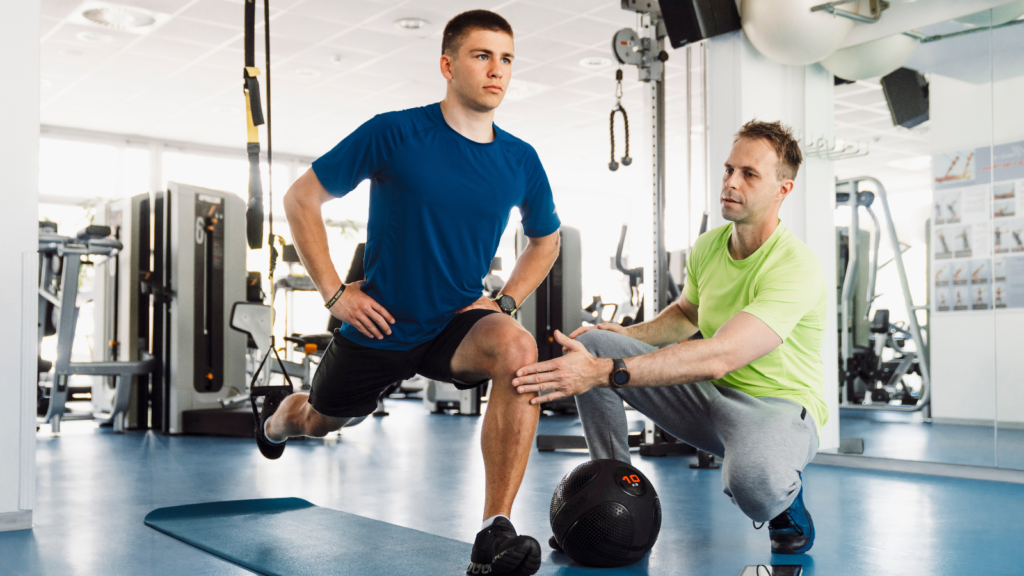
This is where things often get misunderstood.
A lot of adults assume that if they want proper results, they need:
- constant supervision
- fully individual coaching
- or somebody beside them every session keeping them on track
But in reality, that’s often not what’s missing.
For many people, the issue is not lack of effort or lack of information.
It’s lack of:
- structure
- consistency
- and a training setup that actually fits their life.
For many adults, the better question is not simply “Do I need PT?” but what level of support provides the best long-term value and consistency.
Most People Don’t Need Constant Supervision
Once somebody understands:
- basic movement patterns
- how to train safely
- and what their programme looks like
they often don’t need a coach watching every repetition forever.
What they usually need instead is:
- a clear direction
- occasional guidance
- accountability
- and progression over time
That’s very different from needing full one-to-one support several times every week indefinitely.
Accountability Is Often the Real Need
This is one of the biggest distinctions.
A lot of people think they need personal training when what they actually need is:
- accountability
- structure
- and consistency.
Those are not the same thing.
Sometimes simply:
- knowing what to do
- having a plan to follow
- and training in an environment where people expect to see you there
is enough to completely change someone’s consistency.
More Coaching Isn’t Always Better
There’s a tendency in the fitness industry to position “more coaching” as automatically better.
But that’s not always true.
The right amount of support is what matters.
Too little support can leave people overwhelmed and inconsistent.
But too much can sometimes create:
- dependence
- rigidity
- and the feeling that training only happens when somebody else is organising everything.
For a lot of adults, the sweet spot sits somewhere in the middle.
Many Adults Just Need a Better System
This is often the real breakthrough.
Once people have:
- a structured programme
- guidance when needed
- manageable progression
- and an environment that supports consistency
they often realise they’re capable of far more independence than they initially thought.
That tends to build:
- confidence
- autonomy
- and much better long-term sustainability.
The Goal Shouldn’t Be Permanent Dependence
Good coaching should gradually make people more capable, not more reliant.
The long-term goal is usually not:
“I need somebody beside me forever.”
It’s:
“I know what I’m doing, I feel confident training, and I’ve got support there when I need it.”
That’s a much healthier long-term relationship with exercise.
And for many adults, that’s where more flexible coaching-based models often start making more sense than relying entirely on traditional one-to-one PT long term.
Where Many People Overestimate How Much PT They Need
This is where things often get a bit confused.
A lot of adults assume that if they want proper results, they need somebody beside them every session pushing them, correcting them, and keeping them motivated all the time.
But for many people, that’s not actually what’s missing.
What they usually need is:
- consistency
- structure
- accountability
- and a clear direction
That’s very different from needing constant supervision.
Needing Accountability Is Not the Same as Needing Supervision
This is probably the biggest misunderstanding.
A lot of people don’t necessarily need somebody watching every repetition they do.
What they often need is:
- a reason to show up
- a plan to follow
- and some accountability around staying consistent
Those are completely different things.
For many adults, simply having:
- structured sessions
- coaching support available
- and an environment where training becomes part of the week
is enough to completely change their consistency.
Most People Want Structure, Not Dependence
Good coaching should make training feel clearer and more manageable.
But sometimes people end up believing they can only train properly if somebody is organising every single session for them.
That can quietly create dependence over time.
If the trainer is away, training stops.
If sessions get cancelled, momentum disappears.
If life gets busy, everything falls apart again.
For most adults, that’s not really sustainable long term.
Usually, what works better is having:
- enough guidance to stay on track
- enough structure to remove guesswork
- but enough independence that training still happens even when life isn’t perfect.
Coaching Isn’t the Same as Hand-Holding
This is an important distinction.
Good coaching is not about making people reliant forever.
It’s about helping people:
- build confidence
- understand what they’re doing
- and become more capable over time
For a lot of adults, the best coaching setup is not the one with the most supervision.
It’s the one that:
- simplifies things
- reduces overwhelm
- and helps them build a routine they can realistically maintain.
That’s very different from needing somebody beside them every minute they train.
The Real Goal Is Long-Term Consistency
Most people are not trying to become elite athletes.
They simply want to:
- feel stronger
- move better
- improve energy
- and stay healthy long term
And for that, they usually don’t need maximum support.
They need the right amount of support.
That’s where many adults eventually realise that a more flexible coaching-based approach often works better than relying entirely on traditional one-to-one PT forever.
Why Long-Term Dependence Can Become a Problem
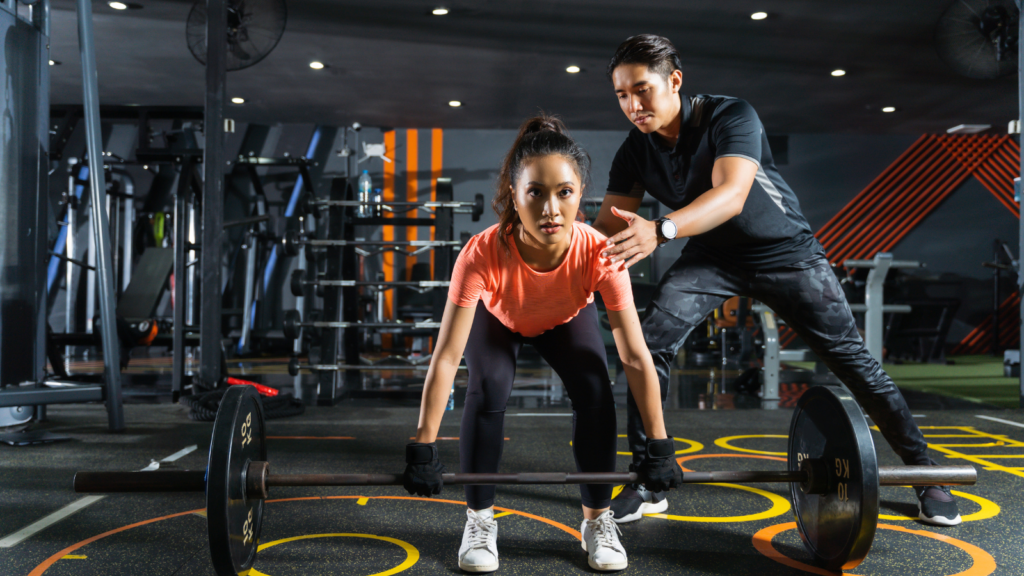
Good coaching should build people up over time.
Not create a situation where somebody feels unable to train unless their coach is standing beside them.
This is one of the biggest issues that can quietly develop with long-term one-to-one PT.
Not because the coaching is bad — but because people can slowly lose confidence in their ability to manage training independently.
Confidence Should Grow Over Time
At the beginning, it’s completely normal to need more guidance.
Most people benefit from:
- learning exercises properly
- understanding how to train safely
- and having reassurance that they’re doing the right things
But ideally, confidence should gradually increase as time goes on.
People should start feeling:
- more comfortable in the gym
- more capable making decisions
- and less dependent on somebody else directing every session.
If that never happens, something usually isn’t working properly.
Autonomy Matters
For training to last long term, people need some level of independence.
Not because they should do everything alone, but because life is never perfectly predictable.
Schedules change.
Work gets busy.
People travel.
Routines shift.
If somebody only trains when:
- a session is booked
- the coach is present
- or every detail is organised for them
then consistency can disappear very quickly once normal life interrupts the routine.
That’s why autonomy matters so much.
People need a setup that still works even when life becomes slightly messy.
Over-Reliance Often Creates Stop-Start Training
This is something you see a lot.
People train consistently for a period while they’re actively working with a PT.
Then:
- sessions reduce
- costs become difficult to maintain
- schedules change
- or the coaching relationship ends
and suddenly training stops completely.
Not because they’re lazy.
Usually because they never developed the confidence or systems to continue without that level of direct supervision.
Sustainability Is the Bigger Goal
The real goal for most adults is not:
“How hard can I train for the next six weeks?”
It’s:
“What can I realistically maintain for the next six years?”
That’s a very different question.
And usually, the answer involves:
- manageable structure
- flexible support
- sustainable habits
- and enough independence that training still fits around real life.
Good Coaching Should Reduce Friction Over Time
The best coaching relationships usually evolve.
At first, people may need:
- more support
- more guidance
- and more reassurance
But over time, the aim should be to help somebody become:
- more capable
- more confident
- and more self-sufficient.
Not completely alone.
Just less reliant.
That’s often what leads to the best long-term relationship with training — and the best long-term results.
What Most Adults Actually Need to Make Progress
A lot of people assume progress comes from:
- training harder
- doing more sessions
- or finding the “perfect” programme
But for most adults, especially after 40, progress usually comes from something much simpler.
Consistency.
That’s normally the difference.
Not doing everything perfectly for two weeks — but doing the right things steadily for months and years.
Finding the right environment matters as much as the training itself, which is why choosing the best gym in the Scottish Borders is often more about support and sustainability than equipment alone.
Consistency Matters More Than Intensity
This is one of the biggest mindset shifts people make once they start getting better long-term results.
You do not need:
- exhausting workouts every day
- constant intensity
- or endless variety
What most people need is a training setup they can realistically stick to even when:
- work is busy
- energy is lower
- or life becomes slightly chaotic.
Because steady training done consistently almost always beats stop-start training done intensely.
Progression Still Needs to Be There
Consistency alone is not enough if there’s no direction behind it.
People still need:
- a clear plan
- sensible progression
- and training that gradually moves them forward over time
That doesn’t mean every session needs to feel harder.
But there should be some form of progression:
- getting stronger
- moving better
- building confidence
- improving energy
- or recovering more easily
Those small improvements matter more than people realise.
Most Adults Need Structure — Just Not Overcomplication
One of the biggest barriers to consistency is decision fatigue.
If somebody has to constantly think about:
- what workout to do
- whether they’re doing enough
- how to progress
- or if they’re getting it right
training quickly becomes mentally tiring.
That’s why manageable structure matters so much.
Most adults do better when they have:
- a clear plan to follow
- a routine that fits their week
- and enough guidance to remove uncertainty
without training becoming overly complicated.
Support Helps — But Too Much Can Become Overwhelming
People generally do better when they feel supported.
That might mean:
- coaching
- accountability
- encouragement
- or simply knowing somebody is there if they need help
But there’s a balance.
Too little support leaves people drifting.
Too much can make training feel:
- rigid
- pressured
- or difficult to maintain long term.
For many adults, the best setup sits somewhere in the middle:
enough support to stay on track, without feeling completely dependent on somebody else.
Sustainability Is Usually the Real Goal
Most adults are not training for a six-week transformation.
They want to:
- feel stronger
- stay healthy
- move well
- keep energy up
- and continue doing the things they enjoy as they get older.
That requires a different mindset.
The best training setup is usually not the most extreme.
It’s the one that:
- fits around real life
- feels manageable
- and allows somebody to keep going consistently year after year.
That’s what tends to create the best long-term results.
The Middle Ground Most People Are Looking For

This is where a lot of adults eventually end up.
Not wanting to train completely alone.
But also not needing full one-to-one personal training several times every week forever.
They usually want something in between.
Something that provides:
- structure
- accountability
- guidance
- and progression
without making training feel overly complicated, rigid, or difficult to sustain.
That middle ground is often where people get the best long-term results.
We explore this idea further in our guide on why small group training often works better than personal training for many adults long term.
More Support Than a Standard Gym Membership
For many people, a basic gym membership sounds good in theory.
But in practice, they often struggle with:
- not knowing what to do
- second-guessing themselves
- inconsistency
- or drifting without a clear plan
That’s where having some level of coaching and structure makes a huge difference.
Not because people need constant supervision — but because most people do better when training feels clearer and more organised.
Less Dependence Than Traditional PT
At the same time, many adults realise they don’t necessarily need:
- fully individual sessions every workout
- constant monitoring
- or a trainer organising every detail forever
They want support there when they need it, but they also want:
- flexibility
- independence
- and something that fits more naturally around everyday life.
That balance matters.
Why This Middle Ground Works So Well
For a lot of adults, this type of setup tends to create:
- better consistency
- less pressure
- more confidence
- and much better long-term sustainability.
People know:
- what they’re doing
- why they’re doing it
- and where they’re heading
without feeling like training becomes another stressful commitment sitting on top of everything else.
This Is Often Where Real Progress Starts
Ironically, many people make better progress once training becomes:
- simpler
- more manageable
- and easier to sustain consistently.
Not because they’re doing less.
But because they finally find a system they can realistically maintain long term.
That’s often the missing piece.
Where GYM+ Naturally Fits
This is very much the thinking behind GYM+ at Putton Mill Fitness.
The goal is to provide:
- enough structure to remove guesswork
- enough coaching to build confidence
- and enough flexibility for training to fit around real life
without creating unnecessary dependence on constant one-to-one supervision.
For many adults, that middle ground ends up being exactly what they were looking for all along.
Which Option Works Best After 40?
Once people move into their 40s and beyond, training usually starts feeling different.
Not necessarily harder — just different.
Recovery matters more.
Energy can fluctuate more.
Stress levels tend to be higher.
And most people are balancing far more outside the gym than they were in their 20s.
That’s why the “best” training setup after 40 is usually not the most intense one.
It’s the one that fits your life well enough that you can stay consistent with it.
Recovery Starts Playing a Bigger Role
One of the biggest changes after 40 is that recovery becomes more important.
Most adults can still train hard and make excellent progress.
But they usually respond better to:
- sensible progression
- consistency
- and structured training
rather than constantly pushing themselves to exhaustion.
According to the NHS physical activity guidelines, regular strength training and consistent physical activity play an important role in maintaining long-term health, mobility, and independence as we age.
For many people, the old “go hard every session” mentality simply stops working as well long term.
Training needs to feel challenging enough to create progress — but manageable enough that recovery keeps pace too.
Confidence Matters More Than People Realise
A lot of adults quietly lose confidence around exercise as they get older.
Sometimes because of:
- previous injuries
- years away from training
- changes in fitness
- or simply feeling disconnected from modern gym culture
That’s why environment and support matter so much after 40.
Most people are not looking to prove anything.
They simply want to:
- feel stronger
- move better
- and train in a way that feels safe and sustainable.
Lifestyle Compatibility Becomes Critical
This is probably the biggest factor of all.
Most adults over 40 are balancing:
- work
- family
- travel
- responsibilities
- and unpredictable schedules
If training only works when life is perfectly organised, consistency usually falls apart quickly.
That’s why flexibility and manageable structure become so important.
People need something that:
- adapts to real life
- removes unnecessary friction
- and still allows them to make progress consistently.
Most Adults Develop a Lower Tolerance for “All or Nothing” Training
This is a big shift.
In your 20s, it’s easier to bounce between:
- intense phases
- extreme motivation
- and periods of doing very little
After 40, most adults start valuing something different.
They usually want:
- steadier progress
- less physical wear and tear
- and a more balanced relationship with training overall.
That often means moving away from:
- overly intense environments
- unsustainable routines
- or setups that rely heavily on motivation.
Sustainability Becomes the Real Goal
For most adults over 40, the goal is not:
“How quickly can I transform?”
It’s:
“How do I keep feeling strong, capable, and healthy long term?”
That changes the type of training environment that tends to work best.
Usually, the most effective setup is the one that provides:
- enough support
- enough structure
- and enough flexibility
to make consistency feel realistic year after year.
And for many adults, that’s where more balanced coaching-based approaches often work far better than either:
- completely training alone
or - relying heavily on one-to-one PT forever.
Signs You Probably Don’t Need Full-Time Personal Training
For a lot of adults, the goal is not to have somebody beside them every session forever.
It’s to have enough support to stay consistent, make progress, and feel confident training long term.
That’s why many people eventually realise they don’t actually need full-time one-to-one PT in the way they originally assumed.
Here are some common signs that you may not need ongoing personal training several times per week.
You Already Know the Basics
If you:
- understand basic exercises
- know how to train safely
- and feel reasonably comfortable in a gym environment
then you may not need constant supervision anymore.
Most people don’t need somebody correcting every repetition forever once they’ve built a good foundation.
They often just need:
- structure
- progression
- and occasional guidance.
Your Main Issue Is Consistency, Not Knowledge
This is probably the biggest one.
A lot of adults already know:
- they should strength train
- they should move more consistently
- and they generally know what exercises they could be doing
The problem is usually not lack of information.
It’s:
- staying consistent
- fitting training around life
- and maintaining momentum long term.
That often requires accountability and structure more than intensive one-to-one coaching.
You Want Flexibility Around Your Schedule
For many adults, fixed PT sessions eventually become difficult to manage consistently.
If your schedule changes regularly because of:
- work
- family
- travel
- or other commitments
you may benefit more from a setup that still provides support and structure, but with greater flexibility.
You’re Looking for Long-Term Sustainability
This is an important shift.
A lot of people start realising they don’t just want a short-term push.
They want:
- a training routine they can maintain
- something realistic around everyday life
- and a healthier long-term relationship with exercise overall.
That usually comes from finding the right balance of:
- support
- structure
- independence
- and consistency.
You Don’t Want Training to Feel Overly Intense or Dependent
Some people simply reach a point where they no longer want:
- every session to feel highly supervised
- intense accountability all the time
- or complete dependence on somebody else organising every workout.
They want to feel capable and confident in their own training while still having support available when needed.
That’s a very healthy progression.
You’re Already Capable — You Just Need the Right Environment
This is often the real realisation.
Many adults are far more capable than they think.
Once they have:
- a clear plan
- sensible progression
- accountability
- and a supportive environment
they often do extremely well without needing full-time one-to-one PT forever.
And for many people, that ends up being a far more sustainable way to train long term.
Signs Personal Training May Be the Right Call
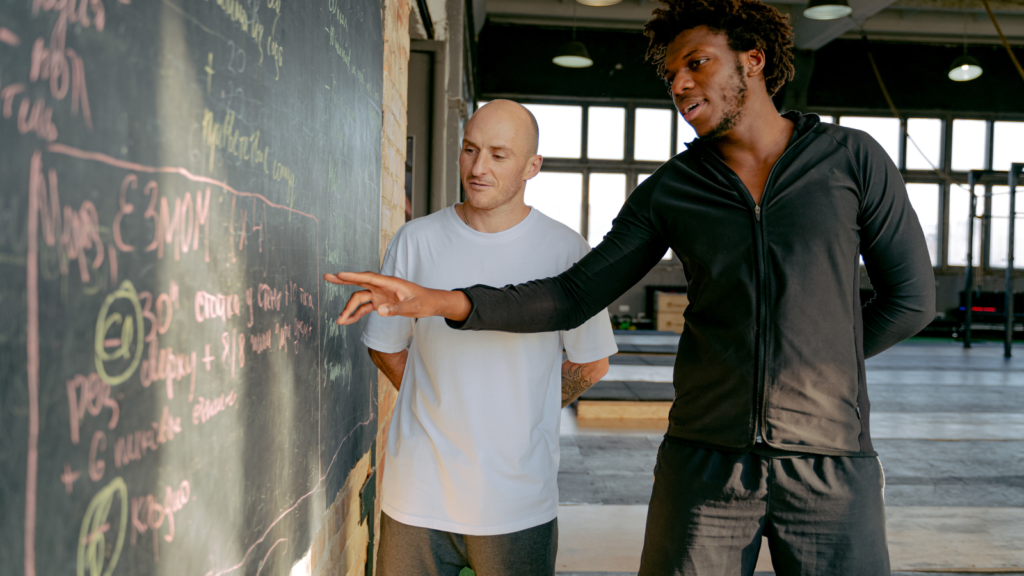
At the same time, there are situations where personal training can be exactly the right investment.
The key is recognising when that higher level of support is genuinely useful — rather than assuming everybody either needs it or doesn’t.
For some people, one-to-one coaching can make a huge difference.
You’re Returning From Injury or Pain
If you’re:
- coming back from injury
- dealing with ongoing pain
- or feeling uncertain about what your body can currently tolerate
then having close one-to-one guidance can be incredibly helpful.
A good coach can:
- adjust exercises appropriately
- progress things safely
- and help rebuild confidence gradually.
For many adults, that reassurance alone reduces a huge amount of anxiety around training.
You Feel Completely Overwhelmed Starting Out
Some people simply need more support at the beginning.
If walking into a gym feels:
- intimidating
- confusing
- or mentally overwhelming
then personal training can provide a much calmer starting point.
Instead of trying to figure everything out alone, somebody guides the process step by step.
That can massively improve confidence early on.
You Have Highly Specific Goals
There are situations where a more individual approach makes complete sense.
For example:
- preparing for an event
- sports-specific performance
- complex body composition goals
- or advanced strength development
In those cases, the extra detail and individual attention can be genuinely beneficial.
You Struggle to Stay Accountable Completely on Your Own
Some people simply do better with a higher level of direct accountability.
Not everybody thrives with flexibility.
For certain personalities, having:
- fixed sessions
- strong external accountability
- and somebody expecting them to show up
creates the consistency they struggle to build alone.
And there’s nothing wrong with that.
You Need More Confidence Before Becoming Independent
For many adults, PT works best as a transition phase.
It helps people:
- learn the basics
- feel comfortable training
- build confidence
- and develop consistency
before eventually moving into something more flexible and sustainable long term.
That’s often where PT delivers enormous value.
The Right Support Depends on the Person
This is really the most important thing.
There is no single “best” option for everybody.
Some people genuinely benefit from:
- more coaching
- more structure
- and more individual attention.
Others do far better with a more balanced coaching-based setup that allows greater flexibility and independence.
The goal is not choosing the most expensive option.
It’s choosing the level of support that gives you the best chance of staying consistent long term.
Where GYM+ Fits
GYM+ at Putton Mill Fitness is designed around the idea that most adults do not need extremes.
They usually don’t need:
- completely training alone with no structure
or - highly intensive one-to-one PT forever.
What most people actually need sits somewhere in the middle.
That’s where GYM+ fits.
A Balance Between Independence and Support
The goal with GYM+ is to give people:
- enough structure to remove guesswork
- enough accountability to stay consistent
- and enough support to keep progressing
without creating long-term dependence on one-to-one coaching.
People still have:
- guidance
- coaching
- progression
- and support available
but they also build confidence and independence over time.
That balance matters a lot.
Built Around Real Life
Most adults are balancing:
- work
- family
- travel
- stress
- and changing schedules.
GYM+ is designed to work with that reality rather than against it.
Instead of relying on:
- perfect routines
- constant motivation
- or rigid schedules
the focus is on helping people build consistency in a way that feels manageable long term.
Structure Without Overcomplication
One of the biggest barriers to consistency is uncertainty.
People often stop training not because they’re lazy, but because:
- they lose direction
- overthink things
- or feel overwhelmed by trying to do everything perfectly.
GYM+ is designed to simplify that.
Members follow structured programmes with clear progression, so they always know:
- what they’re doing
- why they’re doing it
- and how they’re progressing over time.
Support When You Need It
A lot of adults do not need somebody beside them every minute they train.
But they do benefit from:
- having coaching available
- being able to ask questions
- getting guidance when needed
- and knowing somebody is helping keep them on track.
That tends to create far better long-term confidence than either:
- being left completely alone
or - becoming fully dependent on constant supervision.
Why Many Adults Thrive in This Middle Ground
For a lot of people, this type of approach simply feels more sustainable.
Training becomes:
- less intimidating
- less all-or-nothing
- and easier to maintain consistently around real life.
And ultimately, that’s usually what creates the best long-term results:
not intensity…
but consistency over time.
Key Takeaways
- Not everybody needs full-time personal training to get strong, healthy, and consistent with exercise.
- Personal training can be extremely valuable for injury rehabilitation, complete beginners, confidence rebuilding, and highly specific goals.
- Many adults overestimate how much one-to-one support they actually need long term.
- For most people, the real issue is usually consistency and structure — not lack of information.
- Accountability is different from supervision. Many adults benefit more from having a clear plan and supportive environment than constant one-to-one coaching.
- Long-term dependence on personal training can sometimes reduce confidence and autonomy around exercise.
- The best coaching setups help people become more capable and confident over time, not more reliant.
- Adults over 40 often respond best to training that feels sustainable, flexible, and manageable around real life.
- Most people make the best long-term progress when they have:
- consistent training
- sensible progression
- manageable structure
- and support without overwhelm.
- GYM+ at Putton Mill Fitness is designed to provide that middle ground between completely training alone and relying on full-time one-to-one PT.
Frequently Asked Questions About Personal Training
Do I actually need a personal trainer to get results?
Not necessarily. Many adults can make excellent progress without full-time personal training if they have a clear plan, some accountability, and a structured approach they can follow consistently.
When is personal training worth it?
Personal training is often worth it for complete beginners, injury rehabilitation, confidence rebuilding, highly specific goals, or situations where somebody needs a higher level of individual support.
Can you get fit without a personal trainer?
Yes. Most people can improve strength, fitness, and overall health without ongoing one-to-one PT, provided they have structure, progression, and consistency in their training.
What’s the biggest benefit of personal training?
For many people, the biggest benefit is confidence and accountability. A good personal trainer helps remove uncertainty and provides guidance, structure, and support.
What’s the downside of relying on personal training long term?
For some adults, long-term dependence on PT can become difficult financially and can sometimes reduce confidence or independence around training if everything relies on the coach.
What’s the difference between accountability and supervision?
Supervision means somebody guiding every session directly. Accountability usually means having structure, support, and encouragement that helps somebody stay consistent without needing constant one-to-one oversight.
Do beginners need a personal trainer?
Some beginners benefit greatly from personal training initially, especially if they feel intimidated or unsure where to start, but many eventually transition into more flexible coaching-based environments once confidence improves.
What fitness training usually works best for adults over 40?
Most adults over 40 do best with training that is sustainable, structured, flexible, and manageable around real life rather than highly extreme or all-or-nothing approaches.
Can small group training replace personal training?
For many adults, yes. Small group training often provides enough coaching, accountability, and progression without requiring the cost or rigidity of full one-to-one PT.
How do I know if I need more support with training?
You may benefit from more support if you struggle with consistency, feel overwhelmed in gym environments, are returning from injury, or feel unsure how to progress safely.
What if I don’t feel confident training alone?
That’s very common. Many adults benefit from environments that provide structure, coaching, and support without requiring constant one-to-one supervision.
Is personal training better than a gym membership?
They serve different purposes. A gym membership provides access to equipment, while personal training provides guidance, accountability, and individual support.
Why do many adults stop personal training after a while?
Many adults stop personal training because the sessions eventually become difficult to sustain around work, family life, changing schedules, or long-term cost. Others reach a point where they no longer need constant one-to-one supervision and start looking for a more flexible and sustainable approach to training.
What type of support do most adults actually need?
Most adults benefit from having a clear plan, manageable structure, accountability, and support when needed rather than constant supervision every session. For many people, the right environment and consistent routine matter more than intensive one-to-one coaching long term.
What is the best long-term approach to fitness training?
For most adults, the best long-term approach is the one that fits around real life and helps them stay consistent year after year.
Choosing the Right Level of Support
Personal training can be incredibly valuable in the right situation.
For some people, it’s exactly what helps them:
- build confidence
- return from injury
- create momentum
- and start progressing safely.
But for many adults, the real goal is not needing somebody beside them forever.
It’s finding a level of support that helps training feel:
- manageable
- sustainable
- and realistic around everyday life.
That’s often where the biggest shift happens.
People stop looking for:
- the hardest workouts
- the most extreme accountability
- or the most intensive setup
and start focusing more on:
- consistency
- structure
- confidence
- and long-term progress.
Because ultimately, the best training approach is usually not the one that works perfectly for six weeks.
It’s the one you can still see yourself doing years from now.
Where GYM+ Fits
GYM+ at Putton Mill Fitness is designed around that middle ground.
It provides:
- structured training
- coaching and guidance
- accountability
- and progression
without requiring constant one-to-one supervision every session.
The goal is simple:
help people get stronger, move better, and stay consistent in a way that fits real life long term.
If You’d Like Help Deciding What’s Right for You
If you’re based in the Scottish Borders and you’re unsure what level of support would suit you best, you can find out more about GYM+ here:
Final Thought
The best coaching setup is not necessarily the one with the most support.
It’s the one that helps you keep going consistently long enough to see real long-term results.


