
When comparing small group training vs personal training, the biggest difference is usually not the exercises themselves — it’s how sustainable the setup feels once real life gets involved.
What’s the Difference Between Small Group Training and Personal Training?
Is small group training better than personal training?
For a lot of people, yes — especially if the goal is to build strength, stay consistent, and make training feel manageable long term.
That doesn’t mean personal training is bad. Far from it.
Both personal training and small group training can work really well. The difference is usually not the exercises themselves — it’s the environment, the structure, and how sustainable it feels once real life gets involved.
Personal training is built around one-to-one attention. Every session is focused entirely on you, with a coach guiding things from start to finish.
Small group training works slightly differently. You’re still being coached, still following a structured programme, and still getting guidance and support — but you’re training alongside a small number of other people doing the same.
For many adults, especially those balancing work, family, and busy weeks, that combination often works better in real life.
Not because it’s easier.
And not simply because it costs less.
But because it usually makes it easier to stay consistent.
That’s normally where things break down.
Most people don’t struggle because they don’t know exercise matters. They struggle because training becomes hard to maintain once life gets busy, motivation dips, or sessions start feeling difficult to fit around everything else.
In this guide, we’ll look at:
- the difference between personal training and small group training
- where each approach works best
- the pros and cons of both
- and why more adults in the Scottish Borders are moving towards structured small group coaching rather than relying entirely on one-to-one PT sessions.
Table of Contents
Why Personal Training Works Well for Some People

Personal training can work extremely well in the right situation.
For some people, having a coach focused entirely on them during every session is exactly what they need to build confidence, create momentum, and start making progress.
There’s a reason personal training has remained popular for so long — when it’s done properly, it works.
Complete Individual Attention
One of the biggest benefits of personal training is the level of individual focus.
Everything is built around you:
- your goals
- your current fitness level
- your injury history
- and how your body moves
Sessions can be adapted in real time, which is particularly useful if you’re new to training or dealing with something more specific physically.
For many people, that level of support removes a lot of uncertainty early on.
Strong Accountability
This is where PT often helps most.
Knowing somebody is expecting you to show up can make a big difference, especially in the early stages when routines and habits are still being built.
Having sessions booked into the diary creates structure and commitment — which is something a lot of people benefit from initially.
Useful for Injury Rehabilitation or Specific Goals
There are situations where one-to-one coaching makes complete sense.
For example:
- returning from injury
- training around pain or limitations
- preparing for an event
- or working towards a very specific goal
In those situations, the extra level of attention can be incredibly valuable.
Confidence Through Guidance
Walking into a gym environment can feel intimidating for some people at first.
Personal training helps bridge that gap by:
- teaching exercises properly
- improving technique
- and helping people feel more comfortable and capable in the gym environment overall
For some, that support is exactly what’s needed to get started.
Where Personal Training Often Works Best
Personal training tends to work particularly well for people who:
- want a high level of accountability
- prefer one-to-one environments
- need very personalised support
- or simply feel more comfortable learning individually
And for the right person, it can absolutely be worth the investment.
The Important Thing to Understand
The goal here isn’t to argue against personal training.
It’s simply to recognise that:
- not everybody needs that level of support forever
- and for many people, there are other approaches that can create equally good — and sometimes better — long-term consistency.
And for a lot of adults, that’s where small group training starts to make more sense.
Where Personal Training Often Falls Short

Personal training can be very effective.
But like any training model, it also has limitations — especially when you look at what’s realistic for most people long term.
This isn’t about saying PT doesn’t work.
It’s more that, for a lot of adults, there comes a point where the setup itself can become difficult to sustain consistently.
It Can Create Too Much Dependence
One of the most common things you see with long-term one-to-one PT is that people start relying on the coach for everything.
Not just:
- programme design
- or exercise guidance
but motivation, decision-making, and even whether they train at all.
So if the trainer is away, sessions stop.
If the diary changes, training drops off.
If life gets busy, momentum disappears completely.
That level of dependence can make consistency harder once normal life inevitably gets in the way.
Scheduling Can Become Difficult
This is probably one of the biggest practical issues.
Most PT sessions happen at fixed times each week, which works well when life is predictable.
But for many adults balancing:
- work
- family
- travel
- changing schedules
- or shift patterns
it can become difficult to consistently make the same session times week after week.
Once sessions start being cancelled or rearranged regularly, it’s very easy for training to become stop-start again.
Cost Becomes a Factor Over Time
Personal training is expensive for a reason.
You’re paying for:
- a coach’s full attention
- tailored programming
- accountability
- and dedicated session time
And for some people, that investment is absolutely worthwhile.
But for many, training two or three times per week with a personal trainer simply becomes difficult to maintain financially long term — especially if the goal is to make exercise part of life permanently, rather than just for a few months.
If cost is part of the decision, our guide on gym membership costs in the Scottish Borders breaks down the differences between various types of training memberships.
It Doesn’t Always Teach Independence
Good coaching should gradually build confidence and capability over time.
But sometimes with long-term PT, people never really develop confidence training without the coach there.
They know how to follow instructions during a session, but not necessarily:
- how to manage their own training
- how to adjust when life changes
- or how to stay consistent independently
That can create a cycle where training only happens when somebody else is organising it.
Long-Term Sustainability Matters
This is really the key point.
The best training setup is rarely the one that works perfectly for six weeks.
It’s the one you can realistically maintain for years.
For a lot of people, that means finding something that:
- provides support
- keeps them accountable
- gives them structure
- but also fits around real life without becoming too rigid or dependent on one person
And for many adults, that’s where small group training often becomes a better long-term fit.
Why Small Group Training Works Better for Many Adults
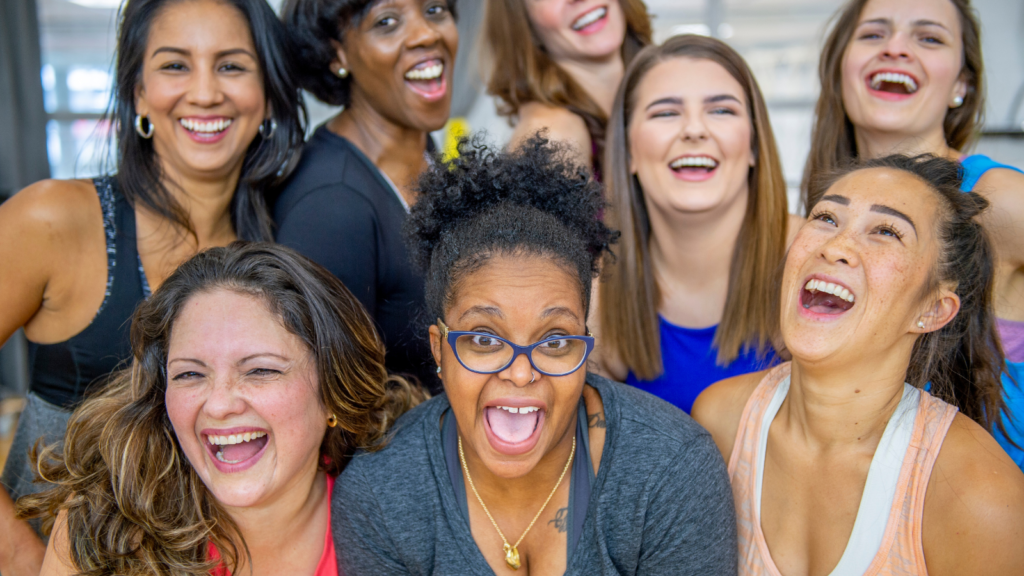
For a lot of adults, small group training ends up sitting in the sweet spot between doing everything alone and relying completely on one-to-one personal training.
You still get structure, coaching, and accountability — but in a way that often feels more manageable, flexible, and sustainable long term.
That’s why many people who have tried both eventually find themselves gravitating towards small group training instead.
It Creates Accountability Without Dependence
One of the biggest advantages of small group training is that it helps people stay accountable without becoming fully reliant on a coach for every session.
You’ve still got:
- structure
- guidance
- support
- and people expecting to see you there
But you’re also learning how to train more confidently yourself at the same time.
That balance matters.
For many people, it creates far better long-term consistency than needing a trainer beside them for every single workout.
Consistency Becomes Easier
This is probably the biggest reason small group training works so well in practice.
When training is:
- flexible enough to fit around life
- structured enough to remove guesswork
- and supported enough to keep you progressing
people tend to stick with it.
And consistency is ultimately what drives results.
Not the perfect programme.
Not the hardest workout.
And not motivation.
Just consistently showing up week after week.
According to NHS guidance on physical activity, regular strength training and movement are key to maintaining long-term health and mobility as we age.
It’s More Financially Sustainable
For most adults, training needs to work financially as well as physically.
Small group training usually gives people access to:
- coaching
- programming
- accountability
- and progression
without the full cost of multiple one-to-one PT sessions every week.
That often makes it easier to maintain long term, which is important because results usually come from what you can sustain consistently over time.
There’s Usually a Stronger Sense of Community
This is something many people underestimate until they experience it.
Training alongside the same small group of people often creates:
- familiarity
- encouragement
- accountability
- and a more relaxed environment overall
You’re not walking into a gym full of strangers every time.
Over time, people begin to feel more comfortable, more confident, and more likely to keep turning up — even on weeks where motivation is low.
Progression Still Matters
A good small group setup isn’t random group exercise.
That distinction is important.
The goal should still be:
- progressive training
- improving strength and movement
- and helping people move forward over time
The difference is simply that the coaching happens within a small-group environment rather than entirely one-to-one.
Done properly, people still receive guidance, feedback, and progression — just in a more sustainable format.
It Fits Real Life Better
For many adults over 40, life is busy.
Work changes.
Family commitments shift.
Schedules rarely stay perfect for long.
Small group training often works better because it gives people:
- enough flexibility to adapt
- enough support to stay on track
- and enough structure to remove uncertainty
without making training feel like another pressure sitting on top of everything else.
Why This Matters Long Term
The best training approach is rarely the most intense or the most exclusive.
It’s usually the one that helps people:
- stay consistent
- keep progressing
- and continue training years later
For a lot of adults, small group training does exactly that.
And that’s why, in real life, it often works better than traditional one-to-one personal training alone.
Small Group Training vs Personal Training: Side-by-Side Comparison
By this point, you’ve probably realised that both personal training and small group training can work very well.
The better option usually comes down to:
- how much support you need
- how independently you like to train
- and what feels sustainable for your lifestyle long term
Sometimes it helps to see the differences laid out clearly side by side.
A Simple Comparison
Looking at small group training vs personal training side by side often makes the differences much clearer.
| FEATURE | PERSONAL TRAINING | SMALL GROUP TRAINING |
| Coaching Style | Fully one-to-one | Coach-led within a small group |
| Level of Attention | Completely individual | Individual guidance within a shared session |
| Accountability | Very high | High, with added group support |
| Flexibility | Usually fixed session times | Often more flexible training options |
| Cost | Higher monthly investment | More affordable long term |
| Training Environment | Private or one-to-one | Shared but more community-driven |
| Progression | Highly personalised | Structured progression with coaching |
| Confidence Building | Strong early support | Builds independence over time |
| Long-Term Sustainability | Can become difficult financially or logistically | Often easier to maintain consistently |
| Best Suited For | Injury rehab, specific goals, high-touch support | General strength, consistency, long-term health and fitness |
What This Comparison Really Highlights
The difference isn’t really about which one is “better.”
It’s more about:
- what stage you’re at
- how much support you genuinely need
- and what you can realistically maintain over time
For some people, one-to-one personal training is exactly the right choice.
But for many adults, especially those simply wanting to:
- get stronger
- move better
- stay active
- and feel healthier long term
small group training often provides the better overall balance.
The Most Important Thing
The best training setup is not the one that feels impressive for a few weeks.
It’s the one that still fits your life six months from now.
Because long-term results almost always come back to the same thing:
consistency.
Which Option Is Best After 40?
Once you get into your 40s and beyond, training usually changes.
Not because you suddenly become “old,” but because recovery, stress, energy, and lifestyle all start playing a bigger role in how well training fits into your week.
For most adults over 40, the goal also changes slightly.
It’s often less about:
- pushing to extremes
- chasing intense workouts
- or training as hard as possible
and more about:
- staying strong
- moving well
- keeping energy up
- and feeling capable long term
That’s where the right training environment becomes really important.
Why One-to-One PT Can Work Well After 40
There are definitely situations where personal training makes sense after 40.
For example:
- returning from injury
- managing pain or movement limitations
- building confidence after years away from training
- or needing very close guidance initially
In those situations, the extra individual attention can be extremely helpful.
A good coach can:
- simplify things
- adjust exercises appropriately
- and help someone regain confidence safely
But Long-Term Sustainability Still Matters
The challenge for many adults over 40 is not usually getting started.
It’s finding something they can realistically maintain around:
- work
- family life
- travel
- stress
- and changing schedules
That’s where small group training often works better in practice.
You still get:
- structure
- coaching
- accountability
- and progression
but in a format that tends to feel easier to sustain long term.
Most Adults Over 40 Don’t Need More Intensity
This is an important point.
A lot of people assume they need:
- harder workouts
- more sessions
- or more motivation
when in reality, they often just need:
- consistency
- sensible progression
- and a setup that fits their life properly
For many adults over 40, training starts improving once it becomes:
- simpler
- more manageable
- and less all-or-nothing
Confidence Matters More Than People Think
A lot of adults quietly lose confidence with training over time.
Not necessarily because they can’t exercise — but because:
- they’re unsure what’s right for their body now
- they worry about injuries
- or they feel disconnected from traditional gym culture
This is where smaller, coached environments can make a huge difference.
People tend to feel:
- more comfortable
- less intimidated
- and more likely to ask questions or keep showing up consistently
This is also one of the biggest reasons many adults start focusing more on strength training after 40.
What Usually Works Best Long Term
For many adults over 40, the best setup ends up being one that provides:
- enough support to feel confident
- enough flexibility to work around life
- and enough structure to keep progressing
without making training feel overwhelming or difficult to sustain.
That’s why many people eventually move away from:
- random gym sessions
- or highly rigid PT schedules
towards a more balanced coaching-based model.
We cover this in more detail in our article on how to choose the best gym in the Scottish Borders.
The Goal Changes After 40
At this stage, training becomes less about proving something.
And more about:
- protecting your health
- staying capable
- keeping strength and energy
- and continuing to enjoy life long term
The best training setup is the one that helps you keep doing that consistently — year after year.
Who Small Group Training Is (and Isn’t) For
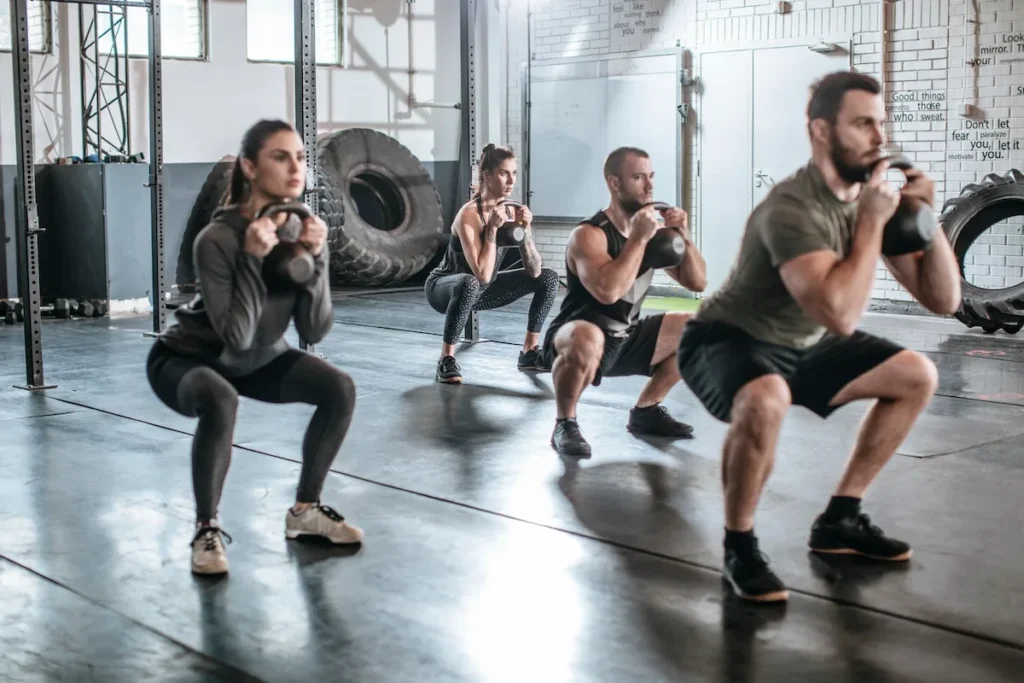
By now, you’ve probably realised that small group training sits somewhere between a standard gym membership and traditional one-to-one personal training.
For a lot of people, that balance works extremely well.
But like any training model, it’s not the perfect fit for everybody — and that’s completely fine.
Who Small Group Training Tends to Work Best For
Small group training usually works best for people who:
- want structure without feeling micromanaged
- like having guidance but don’t need constant one-to-one attention
- want to feel stronger, fitter, and healthier long term
- need accountability to stay consistent
- and prefer training in a calmer, more supportive environment
It’s particularly effective for adults who:
- have busy schedules
- are balancing work and family life
- or have struggled to stay consistent training completely on their own
For many people, it removes the two biggest barriers to progress:
- uncertainty
- and inconsistency
Who Often Enjoys It Most
A lot of people who thrive in small group training are not necessarily “gym people.”
They’re often people who:
- want to feel better physically
- want training to feel manageable
- and don’t want fitness taking over their life
They usually care more about:
- sustainability
- energy
- confidence
- and long-term health
than extreme workouts or pushing themselves to exhaustion every session.
Who It May Not Be Right For
Small group training may not be the best fit if you:
- want fully individual one-to-one attention at all times
- are training for a very specific performance goal
- need highly specialised rehabilitation
- or simply prefer training completely alone
There are situations where one-to-one coaching is the better option, especially when a higher level of individual support is genuinely needed.
It’s Also Not Generic Group Fitness
This distinction matters.
Proper small group training is not:
- random circuits
- large bootcamp-style sessions
- or simply “everyone doing the same workout”
A good small group environment should still include:
- structured progression
- coaching and guidance
- exercise modifications where needed
- and a clear training plan over time
The difference is simply that the coaching happens within a small-group setting rather than entirely one-to-one.
A Better Way to Think About It
The goal isn’t to choose the most intense option or the most impressive-looking setup.
It’s to choose the one that:
- fits your life
- keeps you consistent
- and helps you continue progressing long term
For a lot of adults, small group training ends up being the best balance between support, flexibility, accountability, and sustainability.
And ultimately, that’s usually what drives results.
Where GYM+ Fits
GYM+ at Putton Mill Fitness is built around many of the things we’ve talked about throughout this article.
It’s designed for people who want more than just access to a gym — but who also don’t necessarily need or want traditional one-to-one personal training several times per week.
For a lot of adults, that middle ground is where things start to work properly.
A Structured Approach Without the Rigidity
One of the biggest goals with GYM+ is to make training feel:
- straightforward
- manageable
- and realistic to sustain long term
Members follow structured training plans with coaching and support built in, but without feeling completely tied to fixed one-to-one sessions every week.
That balance is important.
It gives people:
- guidance when they need it
- flexibility around real life
- and enough structure to keep progressing consistently
Built for Real Life
Most adults are balancing a lot outside the gym.
Work schedules change.
Family commitments shift.
Energy levels vary week to week.
GYM+ is designed with that reality in mind.
Rather than expecting life to revolve around training, the goal is to help training fit more naturally into everyday life — so people can stay consistent without feeling overwhelmed.
Support Without Dependence
A big part of the approach is helping people become more confident and capable over time.
That means:
- understanding what they’re doing
- feeling comfortable in the gym environment
- and building routines they can maintain long term
The coaching and support are there when needed, but the goal is not to make people dependent on constant one-to-one supervision forever.
A Calmer Training Environment
A lot of adults simply don’t enjoy:
- overcrowded gyms
- intimidating environments
- or high-pressure fitness culture
GYM+ tends to suit people who prefer a more relaxed, supportive atmosphere where they can focus on:
- getting stronger
- moving better
- and feeling healthier
without training becoming another source of stress.
Who It Usually Works Best For
GYM+ tends to work particularly well for adults who:
- want structure and accountability
- have struggled staying consistent on their own
- don’t need intensive one-to-one coaching every session
- and want something sustainable rather than extreme
For many members, it becomes the first time training has actually felt manageable long term.
Why This Matters
The best training setup is rarely the most complicated.
It’s usually the one that:
- fits your life properly
- removes unnecessary friction
- and helps you keep showing up consistently over time
That’s ultimately what GYM+ is designed to do.
Key Takeaways
- Personal training and small group training can both work well, but they suit different people and different stages of training.
- Personal training provides fully individual coaching and can be especially useful for injury rehabilitation, confidence building, or highly specific goals.
- One-to-one PT can become difficult to sustain long term due to cost, scheduling rigidity, and over-reliance on the coach.
- Small group training offers a balance of structure, accountability, flexibility, and coaching support without requiring constant one-to-one sessions.
- For many adults, especially those over 40, consistency matters more than intensity or exclusivity.
- Small group training often makes it easier to stay consistent because it fits more naturally around work, family, and everyday life.
- A good small group setup is not random group exercise. It should still include structured progression, coaching, and individual guidance where needed.
- The best training setup is not necessarily the most expensive or the most intense — it’s the one you can realistically maintain long term.
- Many adults eventually move towards coaching-based small group environments because they provide support without creating dependence.
- GYM+ at Putton Mill Fitness is designed to offer that middle ground: structure, support, flexibility, and long-term sustainability.
Frequently Asked Questions About Small Group Training vs Personal Training
Is small group training better than personal training?
For many adults, small group training works better long term because it combines coaching, accountability, and structure with more flexibility and affordability than traditional one-to-one personal training.
What is the difference between personal training and small group training?
Personal training involves one-to-one coaching with a trainer focused entirely on you, while small group training provides coaching and structured programmes within a small group environment.
Does small group training still provide individual support?
Good small group training should still provide guidance, coaching, exercise modifications, and progression, even though the coach is working with several people at the same time.
Is small group training cheaper than personal training?
Yes. Small group training is usually more affordable because coaching costs are shared across a small number of members rather than one person paying for the coach’s full time during each session.
Can you still get strong with small group training?
Absolutely. A properly structured small group programme should still include progressive strength training, coaching, and long-term progression.
Who is small group training best suited for?
Small group training tends to work best for adults who want structure, accountability, and support, but who don’t necessarily need full one-to-one coaching every session.
Is personal training worth it after 40?
Personal training can be extremely valuable after 40, particularly for injury rehabilitation, confidence building, or specific goals, but many adults eventually find small group coaching more sustainable long term.
What are the benefits of small group training after 40?
For many adults over 40, small group training provides a good balance of coaching, flexibility, community, and long-term sustainability without making training feel overwhelming.
Is small group training the same as fitness classes?
No. Good small group training is structured coaching with progression and guidance built in, whereas many general fitness classes are designed around larger groups doing the same workout.
Does small group training help with accountability?
Yes. One of the biggest benefits of small group training is accountability through structure, coaching, and the consistency that naturally comes from training alongside the same group of people regularly.
Can beginners do small group training?
Beginners can do very well in small group training environments, especially when the sessions are properly coached and exercises can be adapted to different ability levels.
What if I’m not confident in a gym environment?
Many people who feel intimidated by large gyms find small group training more comfortable because the environment is usually calmer, more supportive, and more structured.
How often should you do small group training?
For most adults, training two to four times per week consistently is more effective long term than trying to train every day inconsistently.
What is the biggest advantage of small group training?
For many people, the biggest advantage is that it makes consistency easier by combining support, structure, flexibility, and affordability in a way that fits real life more naturally.
How do I know which option is right for me?
The best option is usually the one that matches your lifestyle, confidence level, goals, and the amount of support you realistically need to stay consistent long term.
Choosing the Right Type of Support for You
Both personal training and small group training can work extremely well.
The important thing is not choosing the option that sounds the most impressive — it’s choosing the one that fits your life well enough that you can stay consistent with it.
For some people, one-to-one PT is exactly the right fit, especially during certain stages of training or recovery.
But for many adults, particularly those balancing work, family, and busy schedules, small group training often provides a better long-term balance of:
- structure
- accountability
- flexibility
- and sustainability
That’s usually where real progress comes from.
Not from doing the most extreme workouts.
And not from relying on motivation all the time.
But from finding a setup that makes training feel manageable enough to keep doing consistently.
Where GYM+ Fits
GYM+ at Putton Mill Fitness is designed around exactly that idea.
It combines:
- structured training
- coaching and guidance
- accountability
- and flexibility
within a supportive small-group environment built for long-term progress.
The focus is simple:
helping people get stronger, move better, and stay consistent without training taking over their life.
If You’d Like to Learn More
If you’re based in the Scottish Borders and want to explore whether a structured small group approach might suit you better than traditional one-to-one PT, you can find out more about GYM+ here:
https://puttonmillfitness.co.uk/start/
Final Thought
The best training approach is usually the one you can still see yourself doing a year from now.
Because long-term results are almost always built on consistency.


