
Being Active and Staying Strong Are Not the Same Thing
How to stay strong after 40 is one of the most important questions active adults should be asking. One of the biggest misconceptions I come across is the idea that being active automatically means you’re maintaining strength.
I understand why people think that. Most of the people who walk through our doors aren’t inactive.
Far from it.
They walk the dog, play golf, enjoy getting out into the hills, spend time in the garden, work outdoors, or stay busy with family and life. In many cases, they’re doing more physical activity than people half their age.
The interesting thing is that many of them arrive saying a version of the same thing:
“I don’t feel as capable as I used to.”
They’re not necessarily unfit. They’re not unhealthy either. They simply recognise that certain things feel harder than they once did.
The hill they’ve walked for years now leaves them more tired. Carrying luggage feels more demanding. Getting down onto the floor isn’t the issue — getting back up again takes a little more effort than it used to.
The mistake is assuming that because we’re moving regularly, we’re automatically maintaining the strength that allows us to keep doing those things well. Unfortunately, the body doesn’t quite work like that.
Activity is excellent for your health, and I’d encourage almost everyone to walk more, spend more time outdoors, and generally move as much as possible.
But walking, gardening, golf, and staying busy don’t automatically preserve muscle, strength, balance, and bone density as we age. Those qualities tend to decline gradually unless we give the body a reason to keep them.
That’s why I’ve met plenty of people over the years who are active every day but are quietly becoming weaker without realising it. Not dramatically weaker. Just enough that everyday life starts feeling a little more difficult than it used to.
And that’s the distinction this article is really about. Being active and staying strong are closely related, but they’re not the same thing.
Understanding that difference is often the first step towards staying capable, confident, and independent for many years to come.
Table of Contents
Why This Becomes More Important After 40
One of the reasons this conversation matters so much is that our bodies naturally change as we get older.
Unfortunately, there’s a tendency for people to treat these changes as either a personal failure or simply something they have to accept. In reality, neither is true.
What most people experience after 40 is normal.
The challenge is that normal doesn’t always mean desirable.
From around our 30s onwards, we gradually begin to lose muscle mass if we don’t actively maintain it. Strength tends to follow the same pattern. The process is slow enough that most people don’t notice it happening year by year, but over a decade the difference can be significant.
That’s often why someone who felt strong and capable at 45 suddenly finds certain things harder at 55 or 65.
It’s rarely one dramatic event.
More often it’s a collection of small changes that build up over time.
Recovery is another example. A long walk, a day in the garden, a round of golf, or a weekend of hiking can leave you feeling a little more tired and a little more sore than it once did. Again, that’s not because you’ve done anything wrong. It’s simply part of how the body changes with age.
Bone density is another factor that doesn’t get talked about enough.
Most people don’t think about their bones until there’s a problem, but maintaining bone strength becomes increasingly important as we get older, particularly for women after menopause. Strong muscles help support strong bones, which is one of the reasons strength training plays such an important role in healthy ageing.
This is where I think many people get caught out.
They assume that feeling weaker, less stable, or less capable is just an inevitable part of getting older. While ageing is unavoidable, losing strength at the rate many people experience often isn’t.
I’ve worked with plenty of people in their 50s, 60s, and beyond who are stronger, more capable, and more confident than they were ten years earlier. Not because they discovered some secret training method, but because they gave their bodies a reason to maintain and rebuild strength.
That’s an important distinction.
Getting older is normal.
Becoming progressively weaker doesn’t have to be.
The Hidden Trap of Staying Busy
One of the reasons this catches people out is that you can be genuinely busy and still not be getting stronger.
You might be on your feet all day. You might walk regularly, spend time in the garden, play golf, look after family, work outdoors, or fill your week with the sort of physical activity that means you’re rarely sitting still.
From your perspective, it makes sense to think, “I’m active. Surely that’s enough?”
And in many ways, you are doing a lot right. Staying active matters. Walking, gardening, hiking, golf and generally keeping yourself moving are all valuable for your health.
But over time, you may still start noticing small changes.
The hill you’ve walked for years feels a little harder. Your balance isn’t quite what it was. Your knees feel less reliable. Your joints seem stiffer in the morning. Carrying luggage, climbing stairs, or getting up from the floor takes a little more effort than it used to.
Nothing dramatic.
Just a growing sense that everyday life is asking a bit more of you than it once did.
I’ve seen this pattern countless times over the years, and it usually comes back to the same misunderstanding: being busy is not the same as progressing.
Many forms of daily activity ask your body to maintain its current level rather than improve it. If you repeatedly do the same things at the same intensity, your body becomes efficient at those tasks, but it has very little reason to become stronger.
That’s why you can walk several miles every day, spend weekends hiking, or stay physically busy from morning to evening and still notice that you don’t feel as capable as you used to.
The issue isn’t a lack of effort. In most cases, you’re already putting in plenty of effort.
The issue is that effort alone doesn’t always create progress.
Once you understand that distinction, the question changes. It’s no longer, “Am I active enough?”
It becomes:
“How do I stay capable for the life I want to keep living?”
Activity Creates Movement. Progress Creates Capability
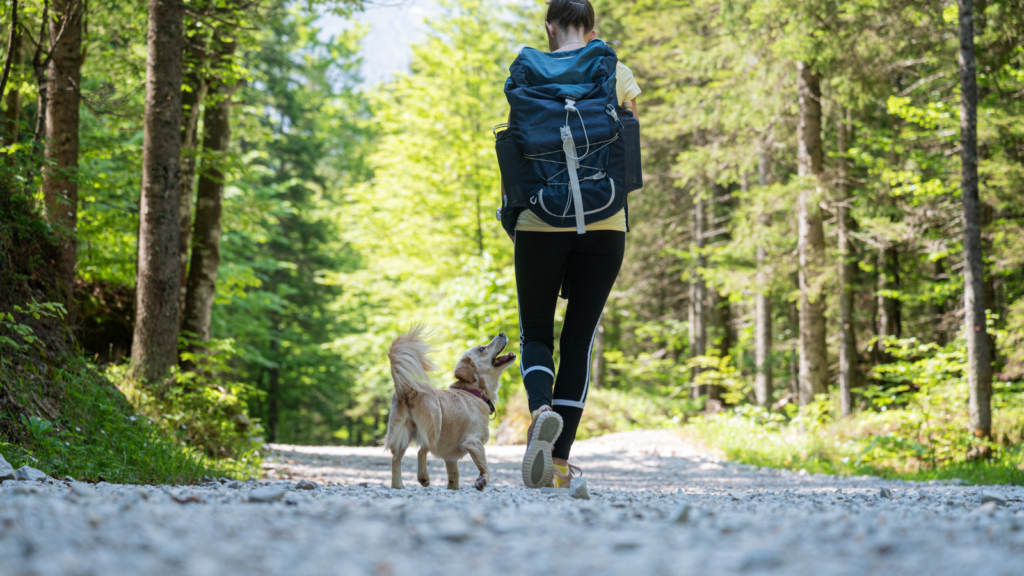
One of the reasons this topic creates so much confusion is that activity feels productive. If you’ve spent an afternoon gardening, walked the dog for an hour, played a round of golf, or been out hiking in the hills, you’ve done something physical.
You’ve moved your body, you’ve burned energy, and you’ve probably done yourself some good. That’s why many people naturally assume that being active and making progress are essentially the same thing.
The reality is a little more nuanced. Activity is excellent for your health and wellbeing, but activity alone doesn’t necessarily tell you whether you’re becoming more capable.
Over the years, I’ve met plenty of people who are active almost every day of the week, yet still find that certain aspects of life are gradually becoming harder.
They’re moving regularly, but they’re not maintaining the same levels of strength, resilience, and physical confidence they once had.
This often becomes obvious during everyday tasks rather than organised exercise. Someone will tell me they’re still walking regularly, but carrying heavy shopping feels more demanding than it used to.
Another person is happily hiking every weekend, yet notices they’re less confident on uneven ground.
Others find that climbing stairs leaves them more breathless, getting down onto the floor feels awkward, or lifting luggage into the car requires more effort than it once did. The activity hasn’t disappeared, but their capability has quietly changed.
That’s why I think capability is a far better measure of progress than simply looking at how active you are. Most people aren’t interested in becoming elite athletes.
They don’t care how much weight they can lift in a gym or whether they’ve hit a particular fitness milestone.
What they care about is being able to live life on their own terms. They want to travel, walk the hills, play golf, work in the garden, carry shopping, and keep up with grandchildren without constantly being reminded that they’re getting older.
When you look at progress through that lens, the conversation changes. The goal is no longer to simply move more.
The goal is to maintain the strength, balance, and resilience that allow you to keep doing the things you enjoy. Activity helps support that goal, but capability is what ultimately determines whether you can continue living the life you want.
Four Signs You’re Active But Not Progressing
One of the reasons people miss this issue for so long is that there isn’t usually a dramatic moment when it becomes obvious. More often, it’s a collection of small clues that gradually appear over time. Individually, they don’t seem particularly significant. Taken together, they often tell a different story.
If any of the following sound familiar, it may be a sign that you’re staying active but not doing enough to maintain your strength and capability.
You’re Getting Tired Doing Things That Used to Feel Easy
This is often the first thing people notice.
It might be a walk you’ve done for years, a familiar hiking route, a day on the golf course, or simply a busy day on your feet. Nothing has really changed, yet you find yourself feeling more tired than you would have expected. Recovery takes a little longer and activities that once felt comfortable now require noticeably more effort.
Most people assume this is simply part of getting older. Sometimes age plays a role, but just as often it’s a sign that strength and physical capacity have gradually declined in the background.
You Move a Lot but Don’t Feel Stronger
This is an interesting one because it can feel quite frustrating.
You’re active. You’re not sitting around. In fact, you’re probably doing more than many people your age. Yet when you stop and think about it, you don’t actually feel stronger than you did a few years ago. If anything, you may feel slightly less capable.
This is where activity and progress start to separate. Being busy keeps you moving, but movement alone doesn’t necessarily challenge the body enough to build or maintain strength. Without some form of progression, it’s possible to remain active for years without becoming stronger.
Aches and Pains Are Becoming More Common
Nobody reaches middle age without the occasional ache or niggle. That’s normal.
What tends to concern me more is when people start accepting increasing discomfort as an unavoidable part of life. Their knees hurt more than they used to. Their back feels stiff most mornings. Their shoulders seem less mobile. Small issues that were once occasional become regular companions.
While pain is always individual and should never be ignored, a gradual decline in strength, stability, and movement quality can often contribute to these problems. In many cases, people are surprised by how much better they feel once they start rebuilding strength in a sensible, progressive way.
You Feel Busy Physically but Not More Capable
This is probably the biggest clue of all.
When someone tells me they’re active but still don’t feel confident carrying heavy shopping, climbing hills, lifting luggage, getting up from the floor, or handling everyday physical tasks, it usually tells me they’re missing something important.
Most people don’t want to become elite athletes. They simply want everyday life to feel easier They want to trust their body. They want to feel capable.
And that’s why capability is such a useful measure of progress. It’s not about how busy you are or how many hours you’ve spent exercising.
It’s about whether the activities that matter to you feel easier, more comfortable, and more enjoyable than they did before.
If the answer is no, it may be time to look beyond activity alone and start thinking about what your body actually needs to keep getting stronger.
Why Walking Alone Isn’t Enough
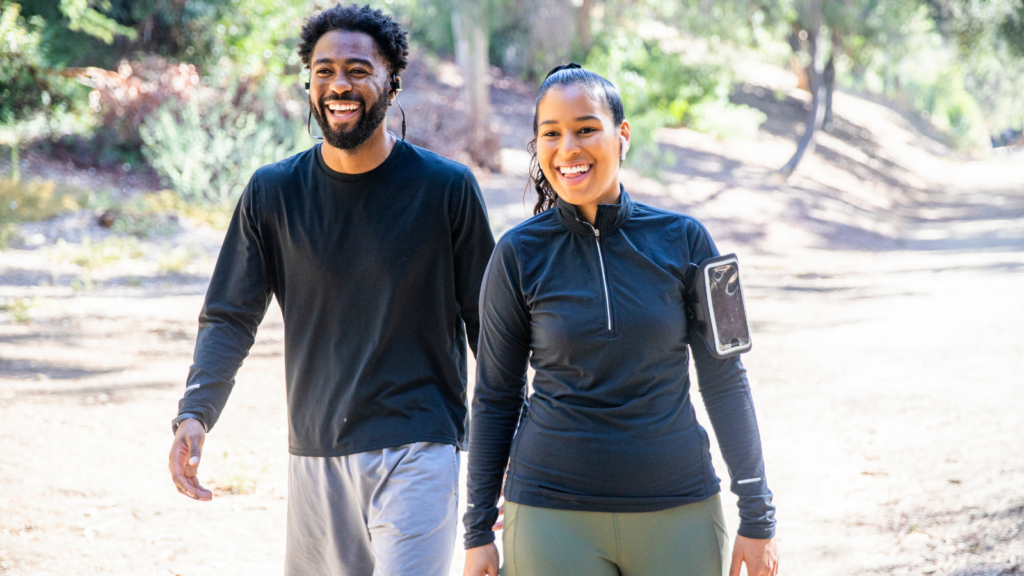
Whenever I talk about strength training, I feel it’s important to make one thing clear:
I’m a big fan of walking.
In fact, if someone isn’t doing much exercise at all, walking is often one of the first things I’d encourage them to do. It’s accessible, low impact, good for cardiovascular health, great for mental wellbeing, and one of the simplest ways to become more active.
The problem isn’t walking.
The problem is assuming that walking does everything.
Over the years, I’ve met plenty of people who walk regularly. Some walk their dogs every day. Others enjoy long countryside walks at weekends or spend hours exploring the hills around the Borders.
They’re often surprised when I explain that despite all that activity, they can still be gradually losing strength.
The reason is quite simple.
Walking is excellent at improving movement and general fitness, but it doesn’t place enough demand on the body to maintain all the things that naturally decline as we age.
Muscle mass, strength, balance, and bone density all require a different type of stimulus if they’re going to be preserved over the long term.
That’s where many active adults get caught out.
They do plenty of walking and stay reasonably fit, yet they still notice that carrying heavy shopping feels harder than it used to. Their balance isn’t quite as good. Their confidence on uneven ground starts to fade.
The issue isn’t that walking has failed them. It’s that walking was never designed to solve those particular problems in the first place.
This is why I see walking and strength training as partners rather than alternatives.
Walking helps keep you active.
Strength training helps keep you capable.
When you combine the two, you get the best of both worlds. You maintain the cardiovascular and mental health benefits that come from regular movement while also giving your body a reason to preserve strength, stability, muscle mass, and bone density.
If you’re looking for a structured way to build strength, mobility and confidence, our Elements programme is designed specifically for active adults who want to stay capable as they get older.
For most people, that’s a far more effective approach than relying on either one in isolation. The goal isn’t to stop walking and spend more time in the gym. The goal is to build a body that allows you to keep enjoying your walks, your hikes, your golf, and the activities you love for many years to come.
The Missing Ingredient: Progressive Strength Training
If being active isn’t always enough to maintain strength, the obvious question is:
What is?
In most cases, the answer is surprisingly simple.
Your body needs a reason to stay strong.
One of the remarkable things about the human body is that it’s constantly adapting to what you ask it to do. If you spend your days sitting, it adapts to sitting. If you walk regularly, it adapts to walking. If you challenge your muscles to do a little more over time, it adapts by becoming stronger.
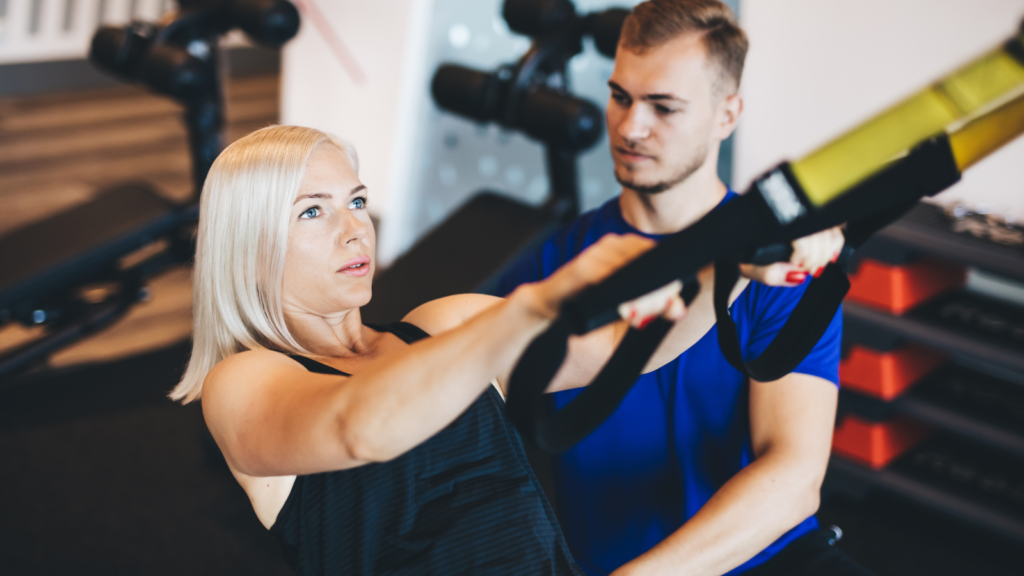
That’s the basic idea behind progressive strength training.
The word “progressive” sounds more complicated than it really is. It doesn’t mean pushing yourself to exhaustion or trying to lift heavier weights every session. It simply means giving your body a slightly greater challenge over time so that it has a reason to adapt.
That challenge might come from lifting a little more weight, performing a few more repetitions, improving your balance, or becoming more confident with movements that previously felt difficult.
The important thing is that the body is being asked to do something beyond what it’s already comfortable doing.
Without that challenge, there is very little reason for the body to maintain muscle, strength, and resilience.
This is one of the reasons strength training becomes increasingly important as we get older.
According to NHS physical activity guidelines, adults should aim to include activities that improve strength at least twice per week.
The reason is straightforward: strength plays a vital role in maintaining mobility, independence, balance, and overall health as we age.
What I think many people find surprising is that effective strength training doesn’t need to be extreme.
Most of the people I work with aren’t trying to become bodybuilders or competitive athletes.
They’re simply looking to stay strong enough to enjoy life. They want to walk the hills, play golf, travel, work in the garden, and keep up with grandchildren without feeling limited by their body.
That’s where sensible, progressive strength training comes in.
Done properly, it helps preserve muscle, improve balance, support bone density, and build the physical confidence that tends to fade when strength is neglected. More importantly, it gives your body a reason to keep adapting rather than slowly giving ground year after year.
In my experience, that’s often the missing ingredient. People are already active. They already have good intentions. What they’re lacking isn’t effort. It’s a structured way of challenging the body to stay strong, capable, and resilient for the years ahead.
What This Looks Like in Real Life
It’s easy to talk about strength, capability, and healthy ageing in theory. What matters is how those things show up in everyday life.
Most people don’t wake up wanting stronger quadriceps or improved movement patterns. They want to keep doing the activities they enjoy without feeling limited by their body. They want to feel confident saying yes to opportunities rather than wondering whether they’ll be able to cope physically.
That’s where maintaining strength starts to make a real difference.
Hiking
The Scottish Borders offers some of the best walking and hiking routes in the country, which is one of the reasons so many people enjoy spending time outdoors here.
Whether you’re walking the Eildon Hills, exploring sections of St Cuthbert’s Way, or spending a day on the Southern Upland Way, strength plays a much bigger role than many people realise.
Stronger legs help you handle climbs more comfortably. Better balance gives you greater confidence on uneven ground. Improved endurance means you’re still enjoying the walk towards the end rather than simply trying to get back to the car.
Many people assume hiking itself is enough to prepare them for hiking. In reality, a sensible strength training programme often makes those walks feel easier, more comfortable, and more enjoyable.
Golf
Golf is another good example, especially across the Scottish Borders where many people continue playing well into later life.
Most golfers naturally think about their swing, their clubs, or how often they get out on the course, but the body behind the swing matters more than many people realise.
A good round of golf asks a lot of you physically. You need rotation through the hips and upper back, strength through the legs and trunk, balance through the swing, and enough stamina to stay comfortable over 18 holes.
When those qualities start to decline, the first signs are often subtle: the swing feels less free, the back feels stiffer afterwards, or the last few holes feel more tiring than they used to.
Strength training for golf is not about turning you into a gym athlete. It is about helping your body keep doing what the game asks of it.
Better strength, mobility, and balance can help you move more confidently, recover more easily, and continue enjoying the course without feeling as though your body is holding you back.
Country Life
Living in the Scottish Borders often means your body is asked to do practical things that do not feel like exercise but still require strength.
You might be lifting bags of compost, carrying feed, moving equipment, working outdoors, maintaining land or property, or simply dealing with the day-to-day physical jobs that come with rural life.
These are often the moments where people first notice the difference between being active and being strong. It is one thing to stay busy. It is another to feel confident lifting, carrying, bending, pushing, pulling, and working for longer periods without feeling as though your body is starting to complain.
This is where strength training becomes very practical. It helps you maintain the physical resilience to keep doing the jobs and activities that life in the Borders often demands.
Not for performance, and not for appearance, but because everyday life becomes easier when your body is stronger, steadier, and more capable.
Active Retirement
Perhaps the biggest benefit of maintaining strength is preserving independence.
Most people don’t have ambitions of becoming elite athletes in their 60s or 70s. What they want is far simpler. They want to travel. They want to spend time with family. They want to enjoy long walks, pursue hobbies, and remain active participants in their own lives.
Strength supports all of those things.
It’s what helps you carry your own luggage, get up from the floor, navigate stairs confidently, and continue doing the activities that make life enjoyable.
When people talk about healthy ageing, this is what I think they’re really talking about. Not living longer for the sake of it, but maintaining the strength and capability to keep living life on your own terms.
That’s why I believe strength training is about far more than exercise. It’s about protecting the lifestyle you want to keep enjoying for years to come.
What Most People Actually Need
One of the biggest myths in the fitness industry is that getting stronger requires a huge amount of time, effort, and commitment.
It’s easy to see where that belief comes from. Social media is full of extreme examples. Six-day training splits, 5am workouts, fitness challenges, transformation programmes, and people treating exercise like a second job.
If that’s your impression of what it takes to stay strong, it’s no wonder many people feel overwhelmed before they’ve even started.
The reality is usually much simpler.
Most of the people I work with aren’t looking to become elite athletes. They have careers, families, hobbies, holidays planned, golf to play, hills to walk, and lives they want to enjoy. Fitness is important to them, but it isn’t the centre of their world.
That’s why the most successful people are rarely the ones doing the most.
They’re the ones doing the right things consistently.
In my experience, most adults don’t need six training sessions a week. They don’t need punishing workouts or complicated programmes. What they need is a sensible approach that fits into real life and gives the body a reason to maintain strength over time.
For many people, that means two or three well-structured strength sessions each week. Not endless variety. Not constantly changing programmes. Just a clear plan that gradually progresses and helps them build or maintain the qualities that matter most.
The other piece that’s often missing is guidance.
Left to their own devices, most people either do too little, do too much, or spend years repeating the same routines without making meaningful progress. Having some level of coaching removes much of that uncertainty. It provides structure, accountability, and the confidence that you’re focusing on the things that will actually make a difference.
If you’re weighing up different levels of support, you may also find our guide on why small group training often works better than personal training for many adults useful.
What I’ve found over the years is that consistency beats intensity almost every time.
The person who trains sensibly two or three times each week for years will almost always achieve more than the person who throws themselves into an extreme programme for a few months before burning out.
That’s because strength isn’t built through occasional heroic efforts. It’s built through small, repeatable actions performed consistently over time.
And that’s good news.
Because staying strong after 40 doesn’t require you to overhaul your life. More often than not, it requires a simple plan, a bit of guidance, and the consistency to keep showing up week after week.
Where Elements Fits
If you’ve read this far, you can probably see that the answer isn’t to exercise more for the sake of exercising more.
For most people, the goal isn’t to spend additional hours in the gym or chase ever more demanding fitness challenges.
The goal is to maintain the strength, mobility, confidence, and physical capability that allow them to keep doing the things they enjoy.
That’s the thinking behind Elements.
Elements isn’t designed for people who want hardcore training sessions or extreme fitness programmes. It’s designed for people who want a sensible, structured approach to maintaining and improving their physical health as they get older.
The focus is on helping you build and preserve the qualities that matter most in everyday life. Strength that makes daily tasks easier. Mobility that helps you move comfortably. Bone health that supports long-term wellbeing. Confidence in what your body can do.
And perhaps most importantly, the ability to keep enjoying an active lifestyle for many years to come.
What I’ve found over the years is that most people don’t need more information. They don’t need another fitness challenge or a more complicated programme.
They simply need a clear plan, appropriate guidance, and an environment that makes it easier to stay consistent.
That’s exactly where Elements sits.
Rather than focusing on short-term results, the emphasis is on steady, sustainable progress.
The kind of progress that helps you feel stronger next year than you do today. The kind that supports hiking, golf, travel, gardening, outdoor pursuits, and all the other activities that make life enjoyable.
Ultimately, Elements isn’t really about training.
It’s about maintaining the freedom, independence, and capability to keep living life on your own terms.
Key Takeaways
- Being active after 40 is important, but activity alone doesn’t always maintain strength, muscle mass, balance, or bone density.
- Many people stay physically busy yet gradually become less capable because their bodies are no longer being challenged to adapt.
- Walking is excellent for cardiovascular health, mental wellbeing, and general fitness, but it doesn’t provide all the benefits of strength training.
- One of the first signs of declining strength is that everyday activities begin to feel harder than they used to.
- Strength training helps preserve muscle, improve balance, support bone health, and maintain independence as you age.
- Most adults don’t need extreme fitness programmes or daily workouts to stay strong and healthy.
- Two or three well-structured strength training sessions each week are often enough to make a meaningful difference.
- Consistency matters far more than intensity when it comes to long-term strength and health.
- The goal isn’t simply to stay active; it’s to stay capable, confident, and able to enjoy the activities that matter to you.
- Elements is designed to help adults build strength, mobility, and resilience through a structured approach that supports long-term health and capability.
Frequently Asked Questions
Is walking enough exercise after 40?
Walking is one of the best forms of exercise for overall health, cardiovascular fitness, and mental wellbeing. However, walking alone does not provide enough stimulus to fully maintain strength, muscle mass, balance, and bone density as you age. For most adults, combining walking with strength training provides the best long-term results.
Can you lose strength even if you’re active?
Yes. Many people remain physically active while gradually losing strength. Activities such as walking, gardening, and golf are beneficial, but they do not always challenge the body enough to preserve muscle and strength over time.
Why am I active but getting weaker?
The most common reason is that your body has adapted to your current level of activity. While you’re still moving regularly, you may not be providing enough challenge to maintain or improve strength. Without progressive strength training, muscle and strength can gradually decline with age.
How often should I strength train after 40?
The NHS recommends adults perform strength-building activities at least twice per week. For many people, two or three well-structured strength sessions each week are enough to maintain and improve strength, mobility, and overall health.
Does strength training help bone density?
Yes. Strength training is one of the most effective ways to support bone health. By placing appropriate stress on bones and muscles, strength training encourages the body to maintain and improve bone density, which becomes increasingly important as we age.
Is hiking enough exercise?
Hiking is excellent for cardiovascular fitness, endurance, and overall wellbeing. However, hiking alone may not be enough to maintain strength, muscle mass, balance, and bone density. Adding strength training can help make hiking easier and reduce the risk of injury.
Can gardening keep you fit?
Gardening is a great way to stay active and can contribute to overall fitness. However, like many forms of physical activity, it doesn’t always provide the progressive challenge needed to maintain strength over the long term.
What’s the best exercise for healthy ageing?
There isn’t a single best exercise. Most experts recommend a combination of regular movement, cardiovascular activity, balance work, and strength training. Together, these help support mobility, independence, bone health, and overall quality of life.
How do I stay strong as I get older?
The key is to continue challenging your muscles in a safe and progressive way. Regular strength training, combined with an active lifestyle, good nutrition, and adequate recovery, can help you maintain strength and capability as you age.
Do I need a gym to build strength after 40?
No. Strength can be built using bodyweight exercises, resistance bands, free weights, or gym equipment. The important factor is not where you train, but whether you’re following a structured programme that gradually challenges your body.
How much strength training do adults need?
For most adults, two or three strength training sessions per week are enough to maintain and improve strength. The focus should be on consistency and progression rather than spending long hours exercising.
Choosing Capability Over Activity
Staying active is one of the best things you can do for your health.
Walking, hiking, golf, gardening, cycling, and simply keeping yourself moving all contribute to a healthier and more enjoyable life. If you’re already doing those things, you’re ahead of many people.
But as we’ve explored throughout this article, activity and capability aren’t quite the same thing.
The people who continue enjoying an active lifestyle well into their later years aren’t necessarily the people who exercise the most. More often, they’re the people who have maintained the strength, balance, mobility, and confidence that allow them to keep doing the things they love.
That’s why strength matters.
Not because you want to lift the heaviest weights in the gym or achieve a particular fitness milestone, but because strength supports the life you want to live. It helps you tackle hills with confidence, enjoy a round of golf without feeling exhausted, carry luggage without hesitation, and remain independent for as long as possible.
If your goal is to stay active, that’s a great place to start.
If your goal is to keep hiking, keep golfing, keep travelling, keep enjoying the outdoors, and continue living life on your own terms, then strength needs to be part of the picture as well.
That’s exactly why we created Elements.
Elements is designed to help adults build and maintain the strength, mobility, and resilience needed for long-term health and capability. It’s a structured approach that focuses on helping you stay strong enough to keep doing the activities you enjoy, both now and in the years ahead.
If that sounds like the kind of approach you’re looking for, you can learn more about Elements here.


